Henna Tattoos: The Complete Guide to Safe, Stunning Designs
Author:Nolan Pierce
|
Released:October 3, 2025
Have you ever wondered about those beautiful temporary tattoos that seem to appear everywhere, from music festivals to wedding celebrations? Henna art offers a stunning, natural alternative to permanent tattoos. Let's explore everything you need to know about this ancient art form that's taking the modern fashion world by storm.
Understanding Henna: Origins and Cultural Heritage
Henna is a natural dye derived from the leaves of the Lawsonia inermis plant, a flowering shrub native to tropical and subtropical regions of Africa, southern Asia, and northern Australasia.
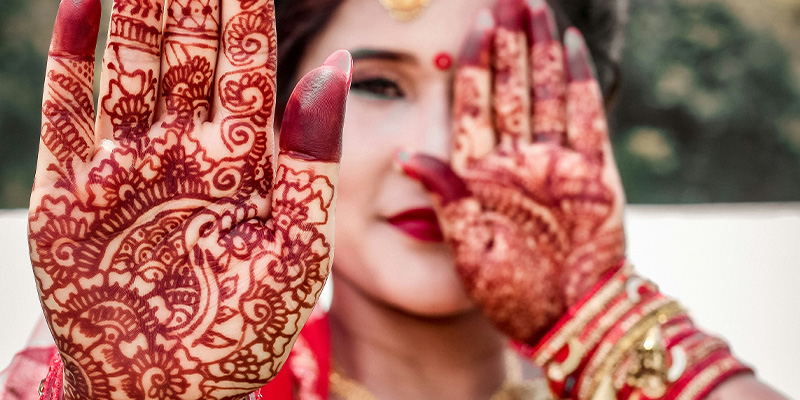
In Indian and Pakistani cultures, elaborate bridal mehndi ceremonies celebrate upcoming nuptials, while Moroccan women apply henna during Eid celebrations and other religious observances. The intricate patterns aren't merely decorative—they're believed to bring good fortune, protection, and blessings to the wearer.
Essential Ingredients and Stunning Design Patterns
Creating authentic henna paste requires just a few natural ingredients. Traditional recipes combine finely ground henna powder from dried Lawsonia inermis leaves with fresh lemon juice, whose acidity releases the dye molecules. A pinch of sugar acts as a natural binding agent, while essential oils like eucalyptus or tea tree enhance color development and add aromatic appeal.
The preparation process demands patience—mixing ingredients into a toothpaste-like consistency, then allowing the paste to rest for 6-12 hours to achieve optimal dye release. Quality matters significantly; always choose natural henna over synthetic alternatives containing harmful chemicals like PPD, which can cause severe allergic reactions.
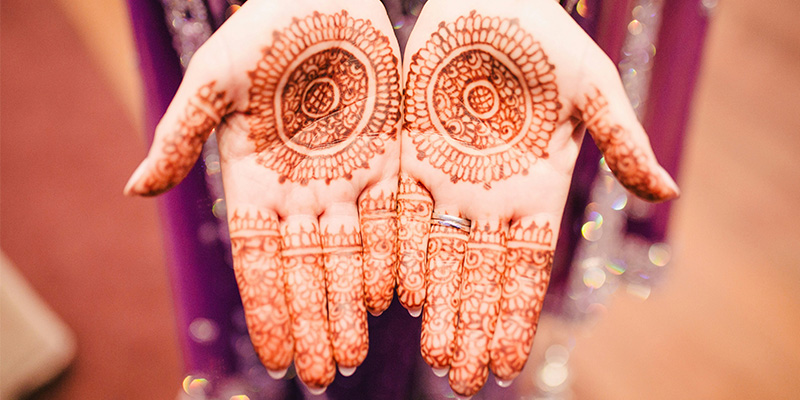
Design patterns span diverse categories, each carrying cultural significance. Traditional paisley motifs and intricate floral vines represent fertility and joy, while geometric patterns featuring diamonds, circles, and lattework symbolize protection and unity. Modern minimalist designs embrace clean lines and negative space, appealing to contemporary aesthetics. Bridal henna showcases elaborate, full-coverage artwork incorporating names, dates, and symbolic elements.
Regional variations reflect local traditions—Arabic styles feature flowing, bold patterns with ample negative space, while Indian designs emphasize intricate, dense coverage. Festival-inspired designs celebrate seasonal themes with bold, celebratory motifs that capture the spirit of modern celebrations.
The Rising Popularity of Henna Art
Henna's surge in mainstream popularity stems from a perfect convergence of cultural shifts and digital influence. Social media platforms, particularly Instagram and TikTok, have transformed henna from a traditional cultural practice into a global phenomenon. Talented henna artists showcase intricate designs to millions of followers, with hashtags like #hennaart and #mehndi generating billions of views.
Stars like Beyoncé, Rihanna, and Vanessa Hudgens have been photographed sporting elaborate henna designs, normalizing the art form for Western audiences. This celebrity visibility has helped bridge cultural gaps, making henna more accessible to diverse demographics. Celebrity endorsements have significantly amplified henna's appeal.
The younger generation's preference for temporary body art aligns perfectly with henna's impermanent nature. Unlike permanent tattoos, henna offers commitment-free self-expression, appealing to those exploring their identity or wanting seasonal body art. This flexibility resonates with millennials and Gen Z consumers who value experiences over permanence.
Henna's connection to wellness trends has further boosted its popularity. Many view henna application as a meditative, therapeutic practice that promotes mindfulness and self-care. The natural ingredients appeal to health-conscious consumers seeking chemical-free beauty alternatives.
FAQ for Henna Tattoo
1. Are henna tattoos safe?
Yes, henna tattoos are generally safe when applied correctly. However, it’s important to ensure that the henna used is natural and free of harmful chemicals, like PPD (para-phenylenediamine), which can cause skin reactions. Always check for reputable, professional henna artists or use products that are specifically labeled as safe for skin use.
2. What is the typical cost of a henna tattoo in the market?
The price of a henna tattoo can vary depending on the complexity of the design, the size, and the location of the artist. On average, small designs may cost between $10 $30, while larger, more intricate designs can range from $50 to $150 or more. Custom designs will usually cost more.
3. How long will a henna tattoo last?
Henna tattoos typically last between 1 to 3 weeks, depending on the location of the tattoo, how often the skin is exposed to water, and individual skin type. The design usually starts to fade as your skin naturally exfoliates.
4. How can I remove a henna tattoo?
To remove a henna tattoo, you can try several methods, including gently scrubbing the area with a mixture of olive oil and sugar, using exfoliating creams, or soaking in a warm bath. Keep in mind that henna tattoos are temporary and will eventually fade away naturally. Avoid using harsh chemicals or trying to scrub the tattoo off quickly, as this could irritate the skin.
How To DIY Henna At Home
Ready to create your own henna masterpiece? Start by gathering quality ingredients: 100g pure henna powder, 300ml strong black tea (cooled), 2 tablespoons fresh lemon juice, and 1 tablespoon sugar. Mix these ingredients until smooth, cover the bowl, and let the mixture sit for 6-12 hours until a dark paste forms.
For application, you'll need fine-tip applicator cones, eucalyptus oil for sealing, cotton swabs for corrections, and design templates if you're a beginner. Always perform a patch test 24 hours before full application to ensure you don't have any allergic reactions.
The application process is straightforward but requires patience. Clean your skin thoroughly with soap and water, then transfer your chosen design using stencils or draw freehand. Fill your cone or squeeze bottle with paste and apply steady pressure to create consistent lines. Let the paste dry completely for 1-2 hours, then gently scrape off the dried paste—never wash it off with water.
For optimal color development, avoid water contact for 24 hours after paste removal. The design will initially appear orange but will darken to a rich reddish-brown over the next 24-48 hours. Beginners should start with simple geometric patterns, practice on paper first, and maintain steady hand pressure for even lines.
Store leftover paste in the refrigerator for up to one week, and always source your henna powder from reputable suppliers to ensure purity and safety.
Embracing Your Henna Journey
Henna offers a perfect blend of safety, natural beauty, and cultural richness that makes it an ideal choice for temporary body art. Unlike permanent tattoos or chemical alternatives, henna provides stunning designs while nourishing your skin with natural ingredients. Whether you choose to visit a professional artist for intricate traditional patterns or start your DIY journey with simple designs, remember to honor the cultural heritage behind this ancient art form. Take that first step, share your creations, and connect with the growing community of henna enthusiasts worldwide.
You May Like
Fashion Trends
8 Fall Nail Colors For A Cozy And Stylish Autumn Look
Apparel & Shoes
Why Mule Shoes Are Taking Over Fashion The Ultimate Style-Comfort Revolution

Design
Step-By-Step Guide To Build A Fashion Collection From Scratch
Apparel & Shoes
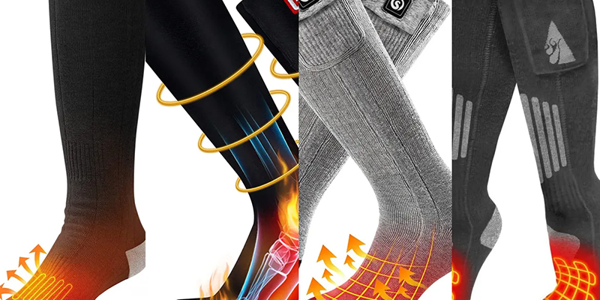
Cold Feet No More: These Ultra-Cosy Heated Socks Are Worth Trying

Fashion Trends
Early 2000s Fashion How to Apply Today